
Australian Shepherds are incredibly smart, remarkably active, and always ready to move. Known for their intense work ethic, agility, and boundless energy, these athletic herding dogs require specialized canine nutrition to thrive. To keep up with their daily stamina, protect their high-impact joints, and maintain their striking double coats, they need a high-quality diet that is purpose-built for their demanding lifestyle.
This comprehensive, data-backed guide breaks down the best dog food for Australian Shepherd dogs by category, life stage, and specific health considerations. Whether you are raising a high-energy puppy, maintaining a working adult, or caring for a aging senior, this guide will help you pick exactly what fits your pup’s individual dietary needs.
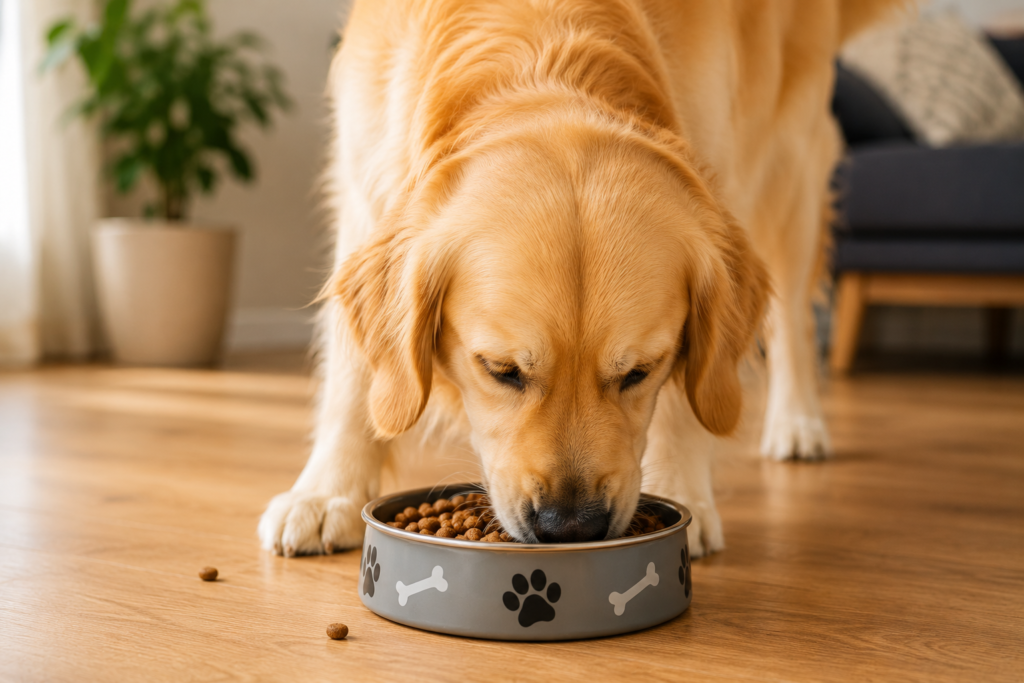
Top Choices for the Best Dog Food for Australian Shepherd
When searching for the best dog food for Australian Shepherd dogs, you will find three primary formats on the market: dry kibble, wet canned food, and fresh human-grade meals. Each format offers distinct nutritional profiles and logistical advantages for owners.
Best Dry Food for Australian Shepherds
Dry kibble remains the foundational choice for the majority of Aussie owners. It is cost-effective, incredibly easy to store, and provides mechanical dental benefits by helping scrape away plaque and tartar buildup as your dog chews. However, because Australian Shepherds have a high metabolic rate, standard supermarket kibble rarely cuts it.
- What to Look For: Prioritize premium recipes that explicitly list a real animal protein source—such as deboned chicken, beef, wild-caught salmon, or lamb—as the absolute first ingredient. Aim for a formula that guarantees 24% to 30% crude protein and moderate healthy fats (around 12% to 16%). Avoid formulas that pack the top of their ingredient list with heavy grain fillers like corn, wheat, soy, or artificial colors and chemical texturizers.
- Why It Works for Aussies: High-protein, nutrient-dense dry food supports lean muscle mass preservation for a breed that is constantly running, jumping, and working. Furthermore, high-quality dry kibble is typically enriched with concentrated sources of omega-3 and omega-6 fatty acids, such as fish oil, flaxseed, or salmon meal. These healthy fats are essential for maintaining the integrity of their thick water-resistant double coats, preventing dry skin, and reducing seasonal shedding.
Best Wet Food for Australian Shepherds
Wet canned dog food is an excellent asset in an Aussie’s dietary routine. It boasts a much higher moisture content than dry food, making it an excellent tool for hydration, and it is naturally packed with rich aromas that appeal to the most stubborn eaters.
- What to Look For: Seek out wet food recipes that feature whole meats, poultry, or genuine bone broth at the very top of the ingredient deck. The ingredient list should look clean, avoiding brands that rely heavily on low-quality artificial thickeners, carrageenan, or excessive chemical gums to pad the volume of the can.
- Best Use Case: Because feeding a medium-to-large active dog exclusively on wet food can quickly become expensive, the smartest approach is using it as a premium kibble topper. Mixing a few spoonfuls of high-quality wet food into their daily dry kibble boosts overall palatability, adds essential dietary moisture to protect kidney health, and keeps mealtime exciting without straining your monthly budget.
Best Fresh or Human-Grade Food for Australian Shepherds
Fresh dog food delivery services have revolutionized canine nutrition, offering an incredibly clean raw diet alternative. These subscription meal plans feature whole foods that are gently cooked at low temperatures to lock in natural vitamins, minerals, and live enzymes that are often lost in high-heat commercial kibble processing.
- What to Look For: Look for personalized, pre-portioned meal plans that utilize 100% human-grade ingredients, verified by veterinary nutritionists to meet AAFCO (Association of American Feed Control Officials) standards for a complete and balanced diet.
- Why Consider It: Australian Shepherds are visual eaters but can be deceptively prone to weight gain if their daily exercise routines suddenly drop or as they begin to age. Fresh food providers customize the exact caloric intake based on your dog’s age, exact weight, and current activity level. This precision makes weight management effortless. Keeping an active herding breed at an ideal, lean body condition is scientifically proven to reduce structural stress on their limbs and extend their overall healthy lifespan.
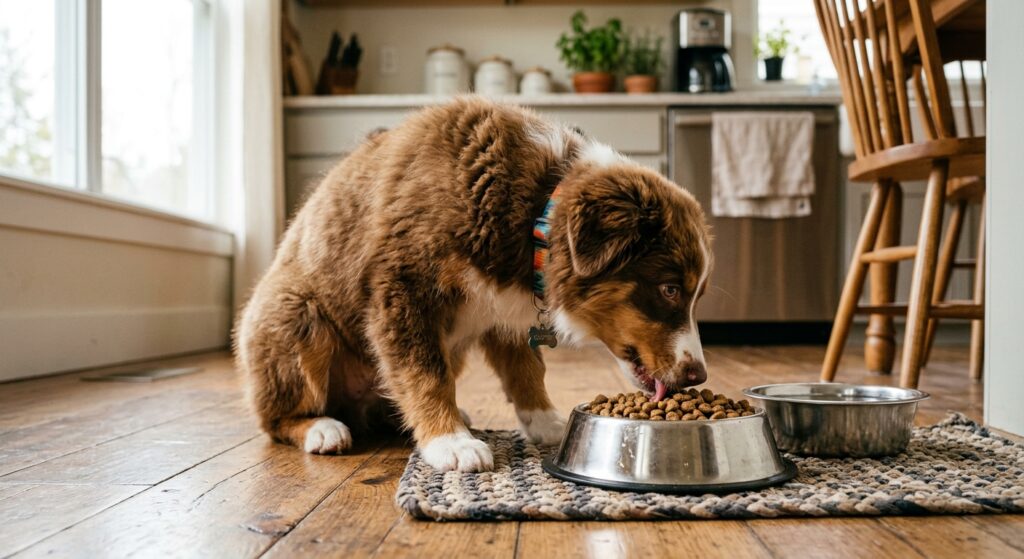
Selecting the Best Dog Food for Australian Shepherd by Life Stage
A dog’s nutritional requirements change drastically as they transition from a rapidly growing pup to a mature adult, and finally into their golden years. Matching the food to their precise life stage is critical.
Best Food for Australian Shepherd Puppies
Aussie puppies grow at an incredible rate, but their bones, muscles, and soft tissues need to develop at a controlled, synchronized pace. Feeding a puppy formula that causes them to pack on weight too quickly can lead to permanent skeletal alignment issues.
- What to Look For: Because Australian Shepherds carry a genetic predisposition to hereditary joint conditions like hip and elbow dysplasia, structural safety starts in the food bowl. It is crucial to feed a puppy formula that maintains a strictly controlled calcium-to-phosphorus ratio. Many veterinarians strongly advocate for feeding Aussie puppies a high-quality large-breed puppy formula. Even though adult Australian Shepherds fall into the medium-sized category, large-breed puppy foods are specifically formulated to optimize and slightly slow down rapid growth spurts, giving their joints and cartilage ample time to develop securely.
- When to Transition: Keep your Australian Shepherd puppy on a growth-focused formula until they reach full structural maturity, which typically occurs between 12 to 15 months of age. Transitioning them to adult maintenance food too early can starve their bodies of the specific amino acids and minerals required to finish building strong skeletal systems.
Best Budget-Friendly Food for Australian Shepherds
Providing top-tier canine nutrition for a highly active dog does not mean you have to break the bank. The commercial dog food market offers several highly reliable, affordable options that do not compromise on core nutritional integrity.
- What to Look For: The secret to budget-friendly shopping is looking for premium, grain-inclusive formulas rather than expensive specialized grain-free diets (unless medically required). Whole grains like brown rice, oatmeal, and barley are highly digestible, excellent sources of clean complex carbohydrates, and help lower the cost of the food bag. Ensure that real animal protein remains the very first ingredient on the label, and strictly avoid cheap mystery fillers like “meat by-products,” animal digest, or controversial chemical preservatives such as BHA, BHT, or ethoxyquin.
Best Food for Australian Shepherds with Allergies
Despite their hardy working heritage, some Australian Shepherds can suffer from severe food sensitivities, environmental hypersensitivities, or chronic gut inflammation. These issues are most commonly triggered by overused genetic protein sources like standard factory-farmed chicken or beef.
- What to Look For: In cases of severe sensitivities, the best dog food for Australian Shepherd allergies is a specialized Limited Ingredient Diet (LID). These formulas deliberately minimize the ingredient deck to include only one novel protein source (such as duck, venison, kangaroo, or wild salmon) and one easily digestible clean carbohydrate source (like sweet potato or tapioca). By eliminating common triggers like corn, wheat, soy, dairy, and generic poultry, you give your dog’s immune system a chance to rest and recover.
- Signs of Food Intolerance: Keep a close eye on your Aussie for telltale signs of dietary distress. If your dog experiences chronic ear infections, constant paw licking, obsessive scratching, red inflamed skin patches, or frequent loose stools, it is an indicator of a potential food allergy. Consult your veterinarian about initiating an elimination diet using a clean limited-ingredient formula.
Feeding Guide for the Best Dog Food for Australian Shepherd
Managing the exact portions of your herding dog’s food intake is just as important as the quality of the food itself. Overfeeding leads to obesity, which drastically compromises their agility and athletic performance.
How Much Should You Feed Your Australian Shepherd?
Because every commercial brand features a slightly different caloric density per cup, use this general guideline as a reliable baseline for a standard, moderately active adult Australian Shepherd:
| Dog Weight Range | Approximate Total Daily Portion (Split into Two Meals) |
| 30 – 40 lbs (Small Adults / Females) | 1.5 – 2 cups per day |
| 40 – 55 lbs (Average Size Adults) | 2 – 2.75 cups per day |
| 55 – 65 lbs (Large Adults / Males) | 2.75 – 3.5 cups per day |
Crucial Note: Highly active working Aussies who herd livestock daily or compete intensely in agility sports may require up to 40% more calories than the standard values listed above. Conversely, sedentary household pets or spayed/neutered adults may require slightly less. Always evaluate your dog’s body condition score (you should easily feel their ribs without pressing hard, and see a distinct waistline from above) and adjust portions accordingly.
Frequently Asked Questions (FAQs)
Do Australian Shepherds require a specific breed-only dog food?
No, there is no scientifically mandated, breed-exclusive nutrient profile required just for Australian Shepherds. Instead, prioritize high-quality, animal-protein-first formulas that match their specific life stage (puppy, adult, or senior), general metabolic rate, and daily physical energy expenditure.
What should I look for to protect my Aussie’s joints? Best Dog Food for Australian Shepherd
Look for adult and senior dog food formulas that come pre-fortified with therapeutic levels of Glucosamine Hydrochloride and Chondroitin Sulfate. These natural compounds support joint fluid health, protect cartilage from wearing down during high-impact running, and preserve long-term joint mobility.
How do I transition my Aussie to a new brand of food safely?
To avoid acute gastrointestinal upset, diarrhea, or vomiting, always transition your dog to a new formula gradually over a 7 to 10-day period. Use the following step-by-step mixing ratio:
- Days 1–3: 75% old food mixed with 25% new food.
- Days 4–6: 50% old food mixed with 50% new food.
- Days 7–9: 25% old food mixed with 75% new food.
- Day 10: 100% new food formula.
Why is my Australian Shepherd shedding so much, and can food fix it?
Aussies are a double-coated breed, meaning they naturally “blow coat” twice a year during seasonal changes. However, excessive, year-round shedding accompanied by dry, flaky, or dull fur can point to a lack of essential fatty acids in their diet. Upgrading to a premium food rich in cold-water fish oils, marine microalgae, or flaxseed can significantly improve skin barrier health and drastically reduce non-seasonal shedding.
At what age is an Australian Shepherd considered a senior?Best Dog Food for Australian Shepherd
Because medium-to-large active breeds tend to age faster structurally than smaller dogs, an Australian Shepherd is generally considered a senior by the time they reach 7 or 8 years old. At this stage, their metabolism slows down, and their nutritional focus should shift toward lower-calorie, easy-to-digest formulas that are heavily packed with joint-support supplements and cellular antioxidants.
Final Thoughts on the Best Dog Food for Australian Shepherd
Ultimately, finding the best dog food for Australian Shepherd dogs comes down to assessing your individual companion’s age, daily energy output, and unique medical history. A premium diet rooted in whole animal proteins, clean balanced fats, targeted joint-support compounds, and precise portion control will pay dividends in their health.
When your Aussie is fueled by proper, high-quality nutrition, they will reward you with a radiant coat, clean digestive health, clear eyes, and the endless joyful energy that makes this herding breed so incredibly special. If you ever notice sudden changes in your dog’s digestion or coat condition, do not hesitate to consult your trusted veterinarian for tailored nutritional guidance.