If you have ever been to a dog park and spotted a dog with a deep, radiant, reddish-golden coat running with effortless grace, you were likely looking at a Red Golden Retriever. This magnificent color variation of the standard Golden Retriever has captured the hearts of pet lovers worldwide. In recent years, the demand for the striking Red Golden Retriever has skyrocketed, and it is easy to see why.
From their rich mahogany fur to their brilliant working intelligence, these dogs are the perfect blend of beauty and brains. This ultimate, data-backed guide covers everything you need to know about the Red Golden Retriever, including their history, distinct personality traits, physical milestones, puppy care, finding ethical breeders, and masterclass tips for crate training your retriever.
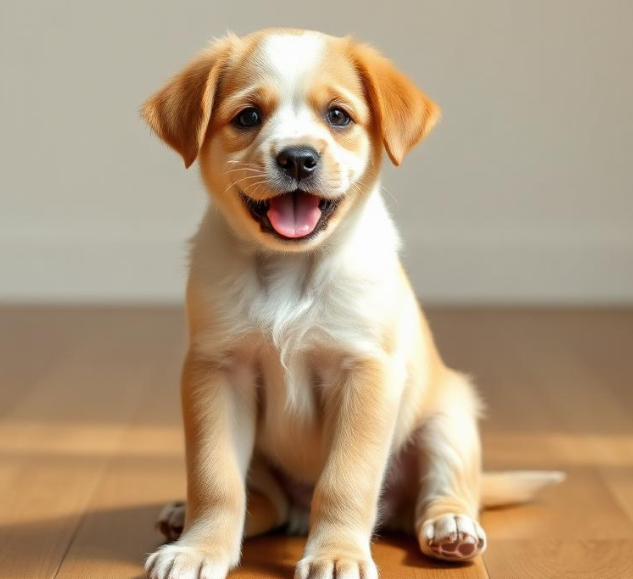
What Is a Red Golden Retriever?
It is crucial to clarify a common misconception right from the start: the Red Golden Retriever—frequently referred to as the Red Retriever—is not a separate canine breed. It is simply a highly distinct, deeply pigmented color variation of the standard Golden Retriever breed registered under the American Kennel Club (AKC).
While traditional Golden Retrievers are famous for their light yellow, honey-gold, or cream-colored coats, the Red Golden Retriever boasts a coat that ranges from a brilliant copper-gold to a deep, dark mahogany red.
The Field-Bred Connection
This unique shade of red is deeply tied to the dog’s ancestral lineage. Historically, Golden Retrievers were split into two primary lines:
- Show Lines: Bred primarily for conformation dog shows, focusing on a stockier build, blockier heads, and thick, light-colored coats.
- Field Lines: Bred specifically for hunting, tracking, and retrieve-work in rough terrain.
The Red Golden Retriever originates almost exclusively from these field-bred lines. Because hunters prioritized stamina, agility, and a coat that could easily blend into autumn brushwood, they selectively bred these darker, more athletic retrievers. Consequently, a field-bred golden retriever is physically leaner, faster, and possesses a slightly shorter, less feathered coat that is far easier to maintain after an outdoor excursion.
Key Traits of the Red Golden Retriever
To understand what makes this mahogany marvel so special, let’s look at their defining physical and behavioral characteristics:
- Stunning Red Coat: Their fur displays a highly specialized red pigment (called pheomelanin). Unlike show Goldens, their coat is typically flatter, denser, and less wavy, making it highly water-resistant.
- Athletic Build: They are slightly smaller, lighter, and more muscular than traditional cream-colored Goldens. Their tucked-up abdomens and strong hindquarters make them elite jumpers and swimmers.
- Intense Work Ethic: Inherited from their hunting ancestry, a Red Retriever loves having a job to do. Whether it is retrieving a tennis ball, tracking a scent, or participating in agility courses, they thrive on activity.
- Exceptional Intelligence: Ranked as the 4th smartest dog breed in the world, they possess an extraordinary capacity to learn commands within just five repetitions.
Red Retriever Personality and Temperament
If you are looking for a dog that is endlessly loyal, incredibly warm, and gentle with every member of your family, the Red Golden Retriever is an unmatched choice. Their temperament is characterized by a joyful lust for life and a deep-seated desire to please their owners.
Social and Family Dynamics
A Red Golden Retriever does not just live with a family; they become an active participant in all family events. They are highly social animals that generally view strangers as friends they haven’t met yet. Because of their incredibly gentle mouths (originally bred to retrieve delicate game without biting down hard), they are exceptionally safe around young children and toddlers. Furthermore, they display very low dog-on-dog aggression, making them perfect additions to multi-pet households.
Mental Stimulation and Daily Enrichment
Because of their high intelligence and athletic field-bred background, these dogs require regular mental stimulation. If a Red Golden Retriever is left alone in a backyard for hours without human contact or mental tasks, they can easily develop destructive behaviors such as obsessive digging, barking, or chewing on furniture. You can easily keep them happy by introducing interactive puzzle toys, daily fetch sessions, and consistent positive-reinforcement training games.
Golden Retriever Weight — What to Expect
Keeping a close eye on your dog’s physical growth is essential for preventing joint strain and ensuring long-term health. While the Red Golden Retriever is generally more compact and athletic than standard show-line retrievers, they still fall within the same official breed standards.
An optimal golden retriever weight chart is a valuable tool for any responsible pet parent to monitor healthy growth milestones.
Average Golden Retriever Weight Chart by Age
| Age Milestone | Weight Range in Kilograms | Weight Range in Pounds |
|---|---|---|
| 8 Weeks Old | 3 to 5 kg | 7 to 11 lbs |
| 3 Months Old | 7 to 11 kg | 16 to 25 lbs |
| 6 Months Old | 16 to 22 kg | 35 to 49 lbs |
| 1 Year (12 Months) | 25 to 32 kg | 55 to 70 lbs |
| Adult Male (Fully Grown) | 29 to 34 kg | 65 to 75 lbs |
| Adult Female (Fully Grown) | 25 to 29 kg | 55 to 65 lbs |
Monitoring Body Condition
It is important to remember that physical health is not determined by the scale alone. You should regularly assess your retriever’s physical shape using a “body condition score.” When looking at your dog from above, you should see a clear, defined waistline. When you gently run your hands along their ribcage, you should be able to feel their ribs easily under a thin layer of healthy fat without having to press down hard.
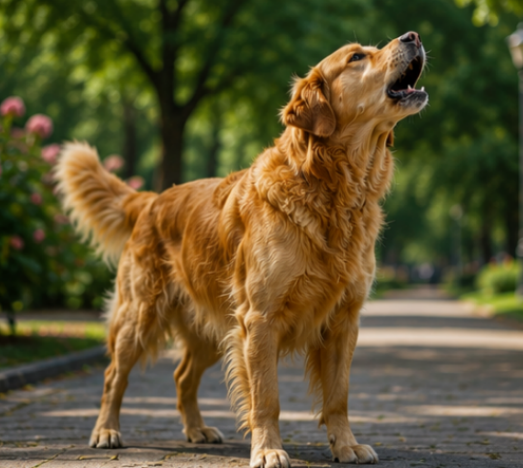
Red Golden Retriever Puppies — First Year Care Guide
Welcoming a puppy Red Golden Retriever into your home is a life-changing event filled with boundless joy, playful puppy breath, and a fair share of chewed-up shoes if you aren’t careful! The first twelve months of their life are critical for physical growth and emotional development.
                  [ 8 to 12 Weeks: Homecoming & Crate Setup ]
                                      │
                                      ▼
                  [ 3 to 6 Months: Socialization & Potty Routine ]
                                      │
                                      ▼
                  [ 6 to 12 Months: High-Activity & Basic Obedience ]
                                      │
                                      ▼
                  [ 12 to 18 Months: Transition to Adult Kibble ]
Navigating the First Few Weeks
The transition from living with their mother to moving into a new home can be overwhelming for young red retriever puppies.
- Designate a Safe Zone: Set up a quiet corner of your living room with a spacious crate, soft bedding, and safe chew toys. This serves as their secure sanctuary when they need to rest.
- Establish a Strict Potty Routine: Young puppies have very small bladders. Take your puppy outside to the exact same grass spot every 1 to 2 hours, immediately after they wake up, and 15 minutes after they eat or drink. Reward them with praise and small treats the moment they do their business.
- Socialize Safely: Before your puppy is fully vaccinated, do not walk them in high-traffic public parks where they could contract dangerous viruses like Parvovirus. Instead, invite friends over, let them hear household appliances (like vacuums), and expose them to various sounds to build their confidence safely.
Crucial Puppy Red Golden Retriever Care Tips
To ensure your puppy grows into a strong, well-adjusted adult, follow these foundational care rules:
- Precision Puppy Nutrition: Feed your puppy a premium, large-breed-specific puppy formula. These diets contain carefully balanced calcium-to-phosphorus ratios to prevent rapid bone growth, which can lead to painful skeletal disorders like hip dysplasia. Keep them on this diet until they are 12 to 18 months old.
- Prevent Joint Stress: Avoid letting your young puppy jump off high beds, run up and down steep staircases, or engage in high-impact jumping games until their growth plates have fully closed around 12 to 15 months of age.
- Grooming Routines: Start brushing their beautiful dark red golden retriever coat at least 3 times a week right from the start. This gets them accustomed to being handled and helps manage shedding as they transition to their adult double coat.
How to Find Reputable Red Golden Retriever Breeders
Due to the massive popularity of the Red Golden Retriever, many unethical “backyard breeders” and commercial puppy mills have attempted to cash in on the demand. These irresponsible sources frequently breed dogs without conducting vital health screenings, resulting in puppies with severe hereditary illnesses, behavioral issues, and structural defects.
If you are looking for red golden retriever puppies for sale, you must do your due diligence to find ethical, responsible breeders who prioritize the health and temperament of their dogs above all else.
Signs of an Ethical and Responsible Breeder
- Official Health Clearances: A reputable breeder will proudly show you official certificates proving both parent dogs have been screened for hip and elbow dysplasia, hereditary eye diseases (PRA clearances), and genetic heart defects.
- Transparency: They will invite you to visit their home or kennel facility in person. They will gladly show you the puppies’ living conditions and allow you to interact with the mother dog.
- Detailed Screening Process: Responsible breeders care deeply about where their puppies go. Expect them to ask you questions about your work hours, yard space, activity level, and previous dog-ownership history.
- No Underage Sales: They will never let a puppy leave for their new home before they are at least 8 weeks old. This period is vital for early canine socialization with their mother and littermates.
- Lifetime Return Policy: An ethical breeder will include a clause in their contract stating that if you are ever unable to care for the dog at any point in its life, they will gladly take the dog back.
Crate Training Your Red Golden Retriever
Crate training is one of the most effective and humane ways to housebreak your dog, prevent destructive chewing, and give them a safe space of their own. While it is easiest to start with a young puppy, you can absolutely succeed at crate training an adult dog with patience, consistency, and the right approach.
The Golden Rules of Successful Crate Training
To make the crate a positive experience for your beautiful retriever, follow this systematic guide:
- Rule 1: Choose the Perfect Crate: The crate must be large enough for your adult Red Golden Retriever to stand up comfortably without hunching their back, turn around completely, and stretch out fully on their side. Do not buy a crate that is too large for a puppy, as they may use one end of it as a bathroom. Use a divider panel to adjust the size as they grow.
- Rule 2: Create a Cozy Environment: Place a comfortable, washable crate bed or a soft fleece blanket inside. To make it feel extra safe and cave-like, you can place a light sheet or a customized crate cover over the top and sides, leaving the front metal door uncovered for ventilation.
- Rule 3: Use Food as a Positive Motivator: Feed your retriever all their daily meals inside the crate with the door wide open. You can also stuff a durable rubber Kong toy with peanut butter or wet dog food, freeze it, and give it to them inside the crate. This teaches your dog that entering the crate leads to incredibly delicious rewards.
- Rule 4: Increase Crate Time Gradually: Once your dog is happy eating their meals inside, practice closing the wire door for just 2 to 3 minutes while you remain in the room. Gradually increase the time they spend inside with the door closed over a period of 1 to 3 weeks.
- Rule 5: Avoid the Punishment Trap: Never, under any circumstances, use the crate as a tool for punishment or scolding. If you lock your dog in the crate when you are angry, they will associate the space with fear and anxiety, completely ruining their sense of security.

Conclusion — Is the Red Golden Retriever Your Perfect Match?
The Red Golden Retriever is undeniably one of the most striking, loyal, and versatile companion animals in the canine world. Whether you are seeking an energetic partner for outdoor hiking adventures, a highly trainable working dog for field trials, or a loving, gentle soul to join your family circle, this mahogany retriever rises to the occasion.
By providing them with high-quality nutrition, keeping them at a healthy weight, choosing an ethical breeder, and dedicating time to early crate training and socialization, you will be rewarded with a lifetime of unwavering loyalty, brilliant companionship, and unconditional love.