
When it comes to choosing the perfect diet for your furry best friend, the options can feel completely overwhelming. From beef to lamb and salmon to chicken, pet parents are constantly trying to figure out what will keep their dogs healthiest and happiest. However, one lean protein continues to stand out in the canine nutrition world: turkey. The Ultimate Guide to Dog Turkey Food has rapidly become a staple in many households, and for excellent reasons. It is highly versatile, packed with essential nutrients, and often easier on a dog’s digestive system than other common proteins. Whether you are searching for a high-protein diet to fuel an active adult dog or a gentle formula for a sensitive senior, turkey offers a wide range of benefits.
In this comprehensive guide, we will explore exactly why dog turkey food is highly recommended by veterinarians, the incredible health benefits it provides, the different varieties available on the market, and how to safely transition your pup to a delicious turkey-based diet.
Why Choose Dog Turkey Food?The Ultimate Guide to Dog Turkey Food
Turkey is not just a holiday treat; it is a nutritional powerhouse that can serve as the foundation of your dog’s daily diet.
Many dogs develop sensitivities or allergies to common proteins like chicken or beef over time. When a dog starts showing signs of food allergies—such as itchy skin, chronic ear infections, or gastrointestinal upset—veterinarians often recommend switching to a novel or alternative protein. For many dogs, turkey fits this bill perfectly. Even though it is poultry like chicken, its slightly different amino acid profile means it is often well-tolerated by dogs who can no longer handle standard chicken recipes.
Furthermore, turkey is a lean meat. This means it provides an exceptional amount of protein without the excessive calories and fat found in red meats. For pet parents trying to manage their dog’s weight while still maintaining their lean muscle mass, dog turkey food provides the perfect nutritional balance.
The Incredible Health Benefits of Turkey in a Dog’s Diet
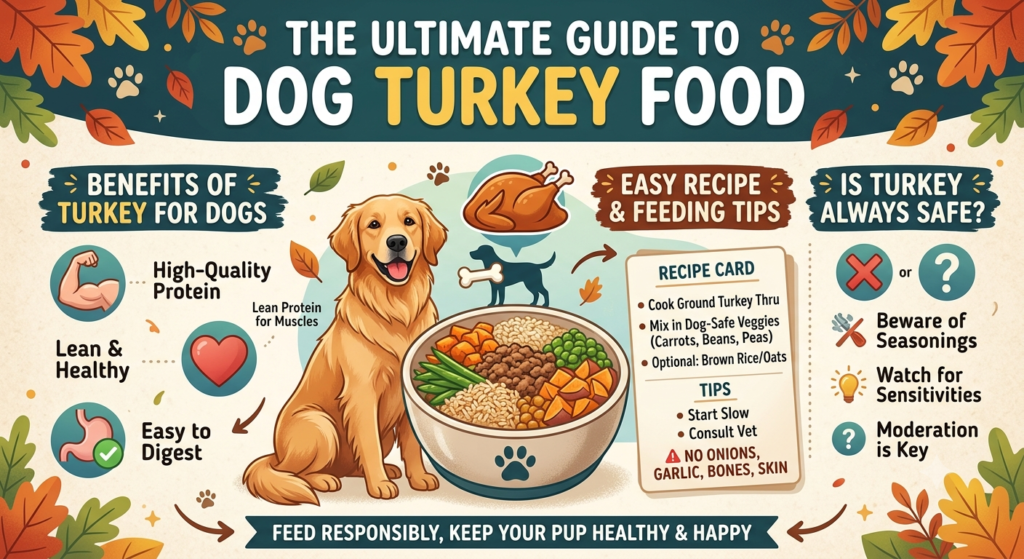
Feeding your pet a high-quality dog turkey food goes far beyond just filling their bowl. The specific nutrients found in turkey meat actively promote a long, healthy, and vibrant life. Here is a breakdown of the core health benefits:
1. High-Quality Protein for Lean Muscle Maintenance
Protein is the most vital macronutrient in a canine diet. It is responsible for building and repairing tissues, maintaining a healthy coat, and producing vital enzymes and hormones. Turkey is incredibly protein-dense, helping your dog build strong, lean muscles without putting on excess fat. This is especially important for highly active dogs and large breeds that carry a lot of weight on their frames.
2. Rich in Essential Antioxidants and Amino Acids
A strong immune system is your dog’s first line of defense against illness. Turkey is naturally rich in essential antioxidants and amino acids that boost immune response. It contains high levels of selenium, a mineral that acts as an antioxidant to prevent cellular damage, and zinc, which is crucial for skin health and metabolic functions.
3. Natural Glucosamine for Joint Support
As dogs age, joint health becomes a major priority. One of the standout benefits of high-quality dog turkey food is its natural glucosamine content. Glucosamine is a compound that helps maintain the health of cartilage—the rubbery tissue that cushions joints. Regular consumption of natural glucosamine can reduce inflammation, support mobility, and help prevent the onset of osteoarthritis, keeping your dog active well into their golden years.
4. Highly Digestible for Sensitive Stomachs
Because it is a lean, white meat, turkey is incredibly easy for dogs to digest. If your dog suffers from frequent bouts of diarrhea, gas, or vomiting, a simple diet of limited ingredient turkey dog food can often soothe their gastrointestinal tract and regulate their bowel movements.
Exploring the Different Types of Dog Turkey Food
Every dog has unique preferences and dental capabilities. Fortunately, dog turkey food comes in a wide variety of forms and textures to satisfy even the pickiest eaters.
Crunchy Turkey Kibble
Dry kibble remains the most popular choice for pet parents due to its convenience, affordability, and shelf life. A high-quality turkey kibble for dogs is formulated to provide 100% complete and balanced nutrition. Additionally, the crunchy texture of dry kibble helps scrape away plaque and tartar buildup as your dog chews, promoting better dental hygiene and fresher breath. Many turkey kibbles are now enhanced with probiotics for gut health and formulated for specific needs, such as weight management or athletic performance.
Delicious Turkey Wet Dog Food
If you have a dog that is a picky eater, recovering from an illness, or missing teeth, wet food is a fantastic option. Wet dog turkey food has a higher moisture content, which is great for keeping your dog hydrated and supporting urinary tract health.
- Ground Textures: These pâté-style foods are smooth, highly palatable, and easy to eat. They are perfect for senior dogs or small breed puppies.
- In Gravy: Many dogs go absolutely wild at the smell of turkey smothered in a savory gravy. Gravy-based foods make excellent meal toppers to encourage reluctant dogs to eat their dry kibble.
- Chunky Formulas: For larger breeds who love a hearty meal, chunky wet foods provide large, satisfying morsels of real meat that mimic a dog’s natural ancestral diet.
Specialized Diets: Grain-Free and Limited Ingredient
If your dog has severe allergies, you might need to look beyond standard formulas.
- Limited Ingredient Turkey Dog Food: These recipes typically feature just one animal protein (turkey) and one or two easily digestible carbohydrates (like sweet potatoes). By limiting the ingredients, you drastically reduce the chance of triggering an allergic reaction.
- Grain-Free Turkey Dog Food: While grains are perfectly healthy for most dogs, some suffer from specific grain intolerances. Grain-free options utilize complex carbs like peas, lentils, or potatoes alongside turkey to provide sustained energy.
- Turkey and Rice Dog Food: For dogs with mild stomach upset, the classic combination of turkey and rice is a veterinarian-approved staple. It is highly binding, gentle on the gut, and delicious.
Tailoring Turkey to Every Life Stage
Dogs require different nutritional profiles depending on their age. The beauty of dog turkey food is that it can be perfectly adapted to every life stage.
- Turkey Puppy Food: Puppies require higher calories, fat, and specific minerals for rapid growth. A turkey-based puppy formula is gentle on their developing digestive systems while providing the intense protein needed for tissue growth and DHA for brain development.
- Adult Maintenance: For the average adult dog, turkey provides the sustained energy and muscle maintenance needed for daily walks, playtime, and overall vitality.
- Turkey Senior Dog Food: Older dogs have slower metabolisms and often suffer from joint stiffness. A senior dog turkey food is typically lower in calories to prevent obesity, higher in fiber for digestion, and packed with extra glucosamine and chondroitin for aging joints.
Human Turkey vs. Dog Turkey Food: Holiday Safety Tips
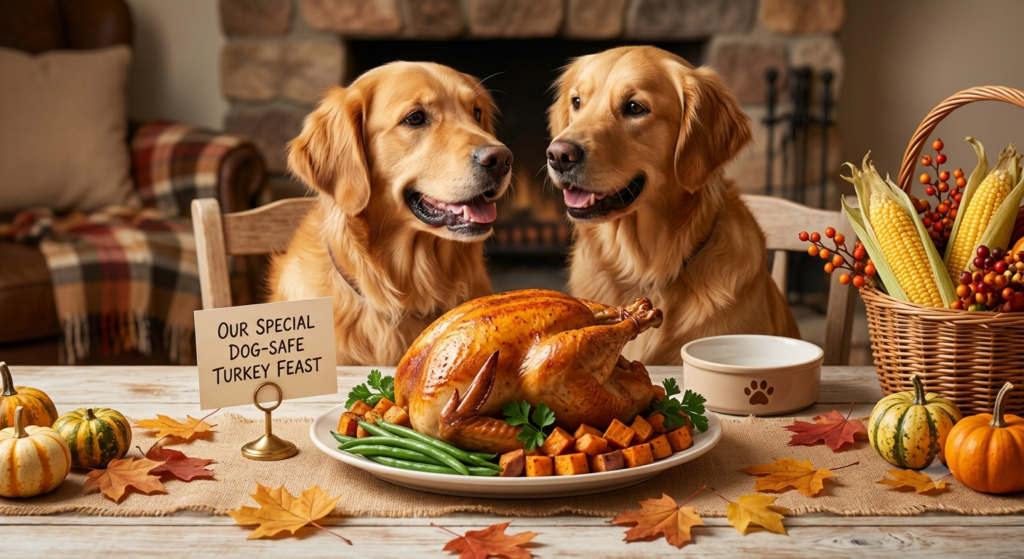
As the holiday season approaches, it is incredibly tempting to share your Thanksgiving turkey with your furry companion. While turkey itself is wonderfully healthy, human preparations of turkey can be deadly to dogs.
When we cook turkey, we often baste it in butter, garlic, onions, salt, and rich gravies. Ingredients like garlic and onions are highly toxic to dogs, and excessive fats can trigger a painful and potentially fatal condition called pancreatitis. Furthermore, cooked turkey bones are brittle and can splinter, causing severe internal damage, choking, or intestinal blockages.
If you want your dog to join in the holiday festivities safely, the best approach is to treat them to a high-quality, commercially prepared dog turkey food in a special gravy formula. If you absolutely must share your human meal, offer only a small amount of plain, unseasoned, thoroughly cooked, and completely boneless white turkey meat.
How to Safely Transition Your Dog to a Turkey Diet
If you have decided to make the switch to a dog turkey food, it is crucial to do it slowly. Dogs have sensitive digestive systems, and an abrupt change in diet can cause severe upset stomach, diarrhea, and vomiting.
Follow this standard 7-day transition rule:
- Days 1-2: Serve a mix of 25% new turkey food and 75% of their old food.
- Days 3-4: Serve a 50/50 mix of the new turkey food and the old food.
- Days 5-6: Serve 75% new turkey food and 25% old food.
- Day 7: Serve 100% of the new dog turkey food.
If your dog experiences any gastrointestinal distress during this period, slow the process down further, allowing them more time to adjust to the new protein.
The Bottom Line on Canine Nutrition
Providing your pet with the right nutrition is one of the most important responsibilities of a dog owner. Dog turkey food stands out as a superior choice due to its high digestibility, rich protein content, and natural joint-supporting properties. Whether you opt for crunchy kibble, a savory wet food in gravy, or a specialized limited-ingredient diet, turkey is a versatile and wholesome ingredient that can support your buddy’s health and vitality. By choosing a high-quality turkey formula, you are ensuring your pup stays healthy, active, and happy, providing them with the essential nutrients they need for a long, vibrant life by your side.
Frequently Asked Questions (FAQs)
Is turkey better for dogs than chicken?
Neither protein is inherently “better,” as both are excellent sources of lean protein. However, turkey is an excellent alternative for dogs that have developed an allergy or sensitivity to chicken. Turkey is slightly richer in certain nutrients like zinc and iron, while chicken is slightly higher in protein. If your dog thrives on chicken, there is no need to switch, but turkey is a fantastic option if you need a novel, easy-to-digest poultry alternative.
Can dogs eat everyday turkey deli meat?
No, it is highly recommended to avoid feeding your dog turkey deli meat. Deli meats are highly processed and packed with excessive sodium, preservatives, and spices (like garlic and onion powder) that are harmful to dogs. Consuming high amounts of sodium can lead to dehydration and long-term organ damage. Always stick to plain, unseasoned, cooked turkey or specifically formulated dog turkey food.
Is grain-free turkey dog food safe for my dog?
Grain-free diets have become very popular, but they are not necessary for every dog. Unless your dog has a diagnosed grain allergy (which is relatively rare compared to protein allergies), grains like brown rice and oats provide healthy fiber and energy. If you are considering a grain-free dog turkey food, it is best to consult with your veterinarian to ensure it is the right choice for your specific dog’s cardiac and overall health.
Why is my dog refusing to eat their new turkey food?
If your dog is turning their nose up at their new food, it could be because the transition was too fast, causing mild stomach upset. It could also simply be that they are picky and used to the smell and texture of their old food. Try warming up wet turkey food slightly to enhance its aroma, or adding a spoonful of warm water or low-sodium bone broth to turkey kibble to make it more appealing.
Can a turkey-based diet help my dog lose weight?
Yes, a carefully portioned turkey diet can be excellent for weight management. Because turkey is a lean meat, it provides the essential protein needed to maintain muscle mass without the excess fat and calories found in meats like beef or pork. Look for a turkey-based weight management formula that is high in protein and fiber but low in overall calories to keep your dog feeling full and satisfied.