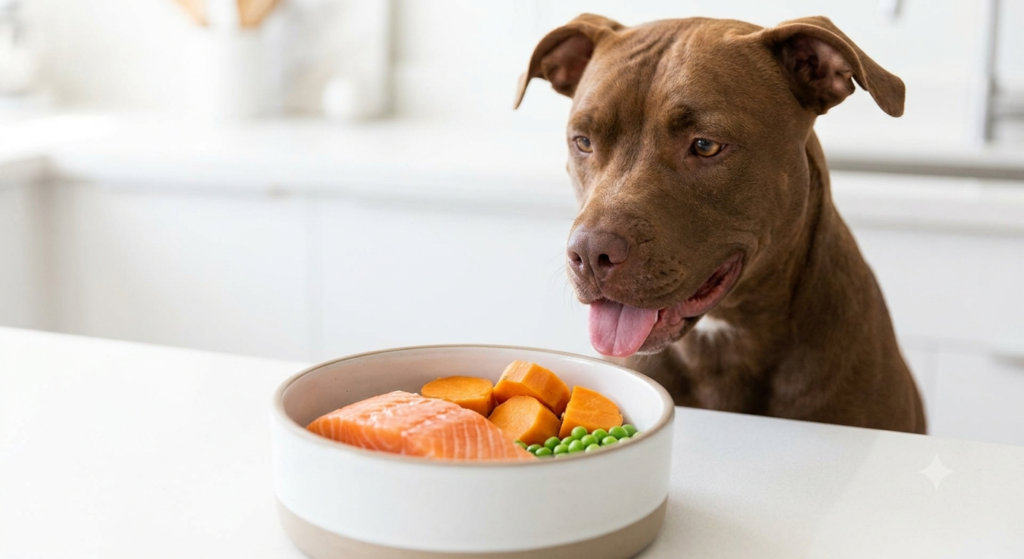
Pitbulls are incredibly loyal, affectionate, and energetic companions. However, beneath their muscular physique and sleek, short coats, they often hide a very common vulnerability: highly sensitive skin. If you are a pitbull owner, you might already be familiar with the endless scratching, paw chewing, and red, inflamed patches that keep your furry friend awake at night. Finding the best dog food for pitbulls with skin allergies is the most crucial step in giving your dog the long-term relief they deserve.
Diet plays a massive role in your dog’s overall skin and coat health. What goes into their bowl every single day directly impacts how they feel on the outside. In this comprehensive guide, we will break down exactly what causes these irritating skin issues, the hidden ingredients you must absolutely avoid, and how to choose a hypoallergenic diet that will soothe your pitbull’s skin naturally and effectively.
Understanding Your Pitbull’s Skin Allergies
Before switching diets, it is essential to understand what is actually happening beneath your dog’s coat. Skin allergies in dogs, clinically known as allergic dermatitis, occur when the immune system overreacts to a particular substance. For pitbulls, these troublesome allergens are typically divided into two main categories: environmental factors and food intolerances.
Food Allergies vs. Environmental Allergies
It is quite easy to confuse food allergies with environmental ones because the symptoms look almost identical to the naked eye.
- Environmental Allergies (Atopy): These are caused by external factors like pollen, dust mites, mold spores, or even flea bites. If your pitbull only gets itchy during specific seasons like the spring or summer, they are likely dealing with seasonal environmental allergies.
- Food Allergies: If the scratching happens year-round, never seems to take a break, and is frequently accompanied by gastrointestinal issues (like loose stools, vomiting, or frequent gas), a food allergy or intolerance is the most likely culprit.
Common Signs of Food Allergies in Pitbulls
How do you know for sure if your dog needs a diet change? Look out for these telltale behavioral and physical signs:
- Constant licking or chewing, especially on the paws and between the toes.
- Chronic ear infections (often accompanied by redness and a foul odor).
- Red, inflamed, or crusty hot spots on the belly, groin, or armpits.
- Hair loss in localized patches due to excessive scratching.
- Frequent rubbing against furniture, walls, or carpets to relieve the itch.
- Digestive upset, including chronic diarrhea or excessive flatulence.
If these symptoms sound familiar, transitioning to the best dog food for pitbulls with skin allergies should be your top priority.
The Biggest Culprits: Ingredients to Avoid
When searching for the right dog food, knowing what to avoid is just as important as knowing what to include. Many standard, commercial dog foods are packed with cheap fillers, artificial preservatives, and common proteins that easily trigger immune responses in sensitive pitbulls.
The Most Common Protein Allergens
Surprisingly, dogs are rarely allergic to grains right off the bat; they are actually much more likely to be allergic to the primary animal protein source in their kibble. The most common allergens for dogs include:
- Beef: Often found in many commercial diets, beef is statistically one of the leading causes of canine food allergies.
- Chicken: While it is a lean and healthy protein, chicken is heavily overused in the dog food industry, leading to high rates of intolerance over time.
- Dairy: Many dogs lack the digestive enzymes required to process lactose properly, leading to both skin flare-ups and stomach issues.
- Egg: Another common protein trigger that can cause severe itching and gastrointestinal distress in sensitive pups.
Artificial Additives and Low-Quality Fillers
Beyond the meat sources, poor-quality ingredients can significantly worsen your dog’s existing skin conditions.
- Artificial Colors and Flavors: These provide absolutely zero nutritional value and are widely known to cause allergic reactions and hyperactivity.
- Soy and Corn: Often used as cheap, bulk fillers, these ingredients can be incredibly difficult for some pitbulls to digest and may actively contribute to systemic inflammation.
- Chemical Preservatives: Ingredients like BHA, BHT, and ethoxyquin should be avoided entirely, as they are harsh chemicals that can disrupt your dog’s immune system.
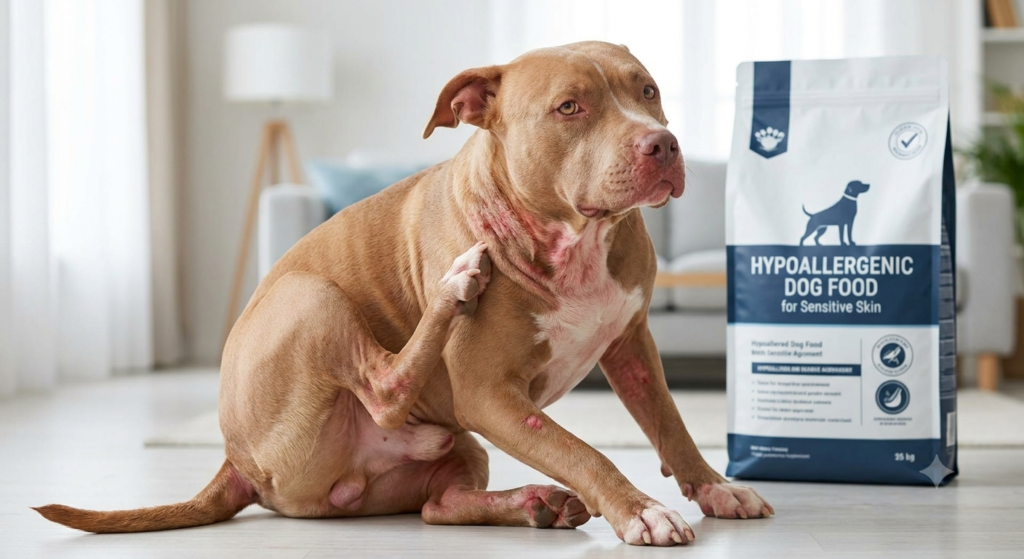
What Makes the Best Dog Food for Pitbulls with Skin Allergies?
To effectively cure the itch, you need a high-quality, nutrient-dense dog food designed specifically for sensitive stomachs and inflamed skin. Here are the most crucial components you should actively look for when reading dog food labels at the store.
Limited Ingredient Diets (LID)
A Limited Ingredient Diet (LID) is exactly what it sounds like: a dog food formula carefully crafted with a very short, transparent list of ingredients. Typically, an LID features just one single source of animal protein and one primary carbohydrate source. By keeping the ingredient list incredibly short, you drastically reduce the chances of exposing your pitbull to a hidden allergen. This straightforward approach is often the first and most effective step veterinarians recommend for managing food allergies.
Novel Proteins
If your pitbull is allergic to common meats like chicken or beef, you need to introduce what is known as a “novel protein.” A novel protein is simply a high-quality meat source that your dog has never eaten before in their life. Because their immune system does not recognize this new meat, it will not mount an allergic reaction against it. Excellent, highly digestible novel proteins for pitbulls include:
- Salmon or Whitefish
- Venison (Deer)
- Duck
- Bison
- Kangaroo
High Levels of Omega Fatty Acids
Omega-3 and Omega-6 fatty acids are absolute game-changers for dogs suffering from chronic skin issues. These healthy, essential fats act as highly effective natural anti-inflammatories. They work from the inside out to strengthen the skin’s natural protective barrier, lock in essential moisture, and promote a glossy, healthy coat that resists flaking.Finding the Best Dog Food for Pitbulls with Skin Allergies When choosing the best dog food for pitbulls with skin allergies, ensure it clearly lists robust amounts of fish oil, flaxseed, or sunflower oil.
Probiotics for Gut Health
Did you know that a significant portion of your dog’s immune system is actually located inside their gut? A healthy, balanced digestive system is directly linked to resilient, healthy skin. High-quality hypoallergenic dog foods often include added probiotics—beneficial bacteria that help balance the gut flora, drastically improve digestion, and strengthen the immune system’s response against potential allergens.
Top Dietary Strategies for Itchy Pitbulls
With the strict criteria set, let’s explore the best overall types of diets available on the market today to help soothe your pitbull’s irritated skin.
Grain-Free vs. Grain-Inclusive Formulas
There is a considerable amount of debate surrounding grain-free diets in the canine world. While some pitbulls truly suffer from diagnosed wheat or gluten allergies and require a strict grain-free diet (using wholesome sweet potatoes or peas as their primary carb sources), many dogs do perfectly fine with high-quality grains. If your dog is not specifically allergic to grains, a diet featuring easily digestible, complex grains like oatmeal or brown rice can actually be very soothing for the stomach and highly beneficial for skin health. Always consult your vet to determine if a completely grain-free diet is strictly necessary for your dog.
Prescription Hydrolyzed Protein Diets
For severe, stubborn allergies that refuse to clear up, your veterinarian might prescribe a hydrolyzed protein diet. In these highly specialized, scientifically formulated foods, the protein molecules are broken down (hydrolyzed) into microscopic pieces so small that the dog’s immune system simply cannot detect them. Because the immune system literally cannot recognize the protein,Finding the Best Dog Food for Pitbulls with Skin Allergies it is impossible for it to mount an allergic reaction. While these specialized diets are more expensive and require a vet’s direct prescription, they are incredibly effective for diagnosing and treating the most severe food allergies.
Fresh Food and Raw Diets
Many modern pitbull owners are turning away from highly processed traditional dry kibble in favor of fresh food or balanced raw diets. Human-grade fresh dog food delivery services allow you to carefully customize meals based exactly on your dog’s unique allergy profile. Because these fresh meals are gently cooked and entirely devoid of heavy processing, by-products, and artificial preservatives, many owners report seeing a massive, life-changing improvement in their pitbull’s skin, coat, and energy levels within just a few short weeks.
How to Safely Transition Your Pitbull to a New Food
Once you have finally selected the best dog food for pitbulls with skin allergies, you must introduce it slowly and methodically. A sudden, abrupt change in diet can cause severe gastrointestinal distress, completely masking any of the positive benefits the new food might bring. Follow this standard 7-to-10 day transition schedule for the safest results:
- Days 1-3: 75% old food mixed thoroughly with 25% new food.
- Days 4-6: 50% old food mixed evenly with 50% new food.
- Days 7-9: 25% old food mixed with 75% new food.
- Day 10: 100% complete transition to the new food.
During this transition period, closely monitor your pitbull’s stool quality and overall demeanor. If they experience any diarrhea or stomach upset, simply slow the transition process down by a few extra days.
The Elimination Diet: Finding the Exact Allergen
If you want to permanently solve the itching problem, you need to know exactly what ingredient is causing it. This is where a strict elimination diet comes into play.
To conduct a proper elimination diet, you must feed your pitbull a strict dietary regimen consisting solely of a novel protein and a novel carbohydrate (or a veterinary hydrolyzed diet) for 8 to 12 weeks. During this testing window, your dog cannot have any other treats, table scraps, flavored chew toys, rawhides, or even flavored medications. Absolutely nothing can cross their lips but the specific hypoallergenic food and fresh water.
If their skin totally clears up by the end of the 12 weeks, you have successfully confirmed a food allergy. From there, you can slowly reintroduce single ingredients (like a small piece of chicken or beef) one at a time. If the intense itching suddenly returns, you have successfully identified the specific, offending allergen and can permanently ban it from your dog’s diet moving forward.
Beyond Diet: Additional Ways to Soothe Your Pitbull’s Skin
While feeding the absolute right food is the foundation of any recovery, managing skin allergies often requires a multi-faceted, holistic approach. Here are a few extra supportive steps you can take to make your pitbull significantly more comfortable while the new diet takes effect:
Frequent Bathing with Medicated Shampoos
Bathing your pitbull every one to two weeks with a high-quality, oatmeal-based, or specifically medicated shampoo can provide immediate, soothing relief. Shampoos containing chlorhexidine or natural aloe vera can gently wash away environmental allergens trapped deep in the coat and calm inflamed, angry hot spots. Always ensure the bathwater is lukewarm, as hot water will further dry out and irritate their already sensitive skin.
Keep Their Environment Spotless
Since food allergies can sometimes overlap directly with environmental sensitivities, aim to keep your home as clean and dust-free as possible. Wash your dog’s primary bedding weekly in hot water using a gentle, hypoallergenic laundry detergent. Vacuum your carpets frequently and always wipe down your dog’s paws and underbelly with a damp cloth after outdoor walks to physically remove lingering pollen, grass, and dust.
Adding Natural Skin Supplements
Even with an incredibly high-quality diet, your pitbull might benefit greatly from a little extra nutritional boost. Adding a pure, wild-caught salmon oil or organic coconut oil supplement directly to their daily food bowl provides a massive extra dose of essential fatty acids. Finding the Best Dog Food for Pitbulls with Skin Allergies Coconut oil can also be applied topically directly to localized, severe dry patches for quick, safe, moisturizing relief.
When to See the Veterinarian
While finding the best dog food for pitbulls with skin allergies is something you can easily manage at home, you should never ignore severe or worsening symptoms. Schedule a comprehensive veterinary appointment immediately if you notice:
- Open, bleeding, or severely oozing sores on the skin.
- Signs of a deep, active ear infection (constant head shaking, dark discharge, pain when touched).
- Sudden lethargy, weakness, or a complete loss of appetite.
- Absolutely no improvement in itching after a full 8 weeks on a strict hypoallergenic diet.
Your vet can accurately diagnose secondary bacterial or yeast infections and prescribe fast-acting medications to provide immediate, highly effective anti-itch relief while you continue to work on managing the diet for the long term.
Final Thoughts
Dealing with canine food allergies can often feel like a frustrating, exhausting journey of trial and error. Watching your beloved companion scratch relentlessly is heartbreaking, but the ultimate solution is very often waiting right there in their food bowl. By understanding the most common triggers, strictly avoiding poor-quality filler ingredients, and actively investing in the best dog food for pitbulls with skin allergies, you have the power to fully restore your dog’s health and happiness.
Whether you choose a premium limited ingredient kibble, a novel protein canned food, or a freshly prepared delivery diet, the true key is total consistency. Stick tightly to the transition plan, ruthlessly eliminate all hidden allergens from their treats, and give the new food at least two to three solid months to show its true results. With a little bit of patience and the right targeted nutrition, your pitbull’s coat will return to its natural, healthy shine, and the endless scratching will finally become a thing of the past.