Category: Dog Food and Nutrition | Date: July 17, 2026 | Comments: Leave a Comment
If you have ever been captivated by the striking, wolf-like appearance of a Siberian Husky—with their piercing blue eyes, majestic double coats, and noble posture—you are certainly not alone. However, for many dog lovers, keeping a standard 60-pound working dog in an apartment or a suburban home with a small yard is simply not practical.
Enter the Miniature Siberian Husky. This breed offers all the breathtaking aesthetics, vibrant Miniature Siberian Husky temperament, and loyalty of a classic Husky but in a compact, highly manageable size.
In this comprehensive guide, we will dive deep into the origin, physical traits, grooming needs, health considerations, and costs associated with Miniature Husky puppies to help you decide if this mini wolf-dog is the right addition to your household.
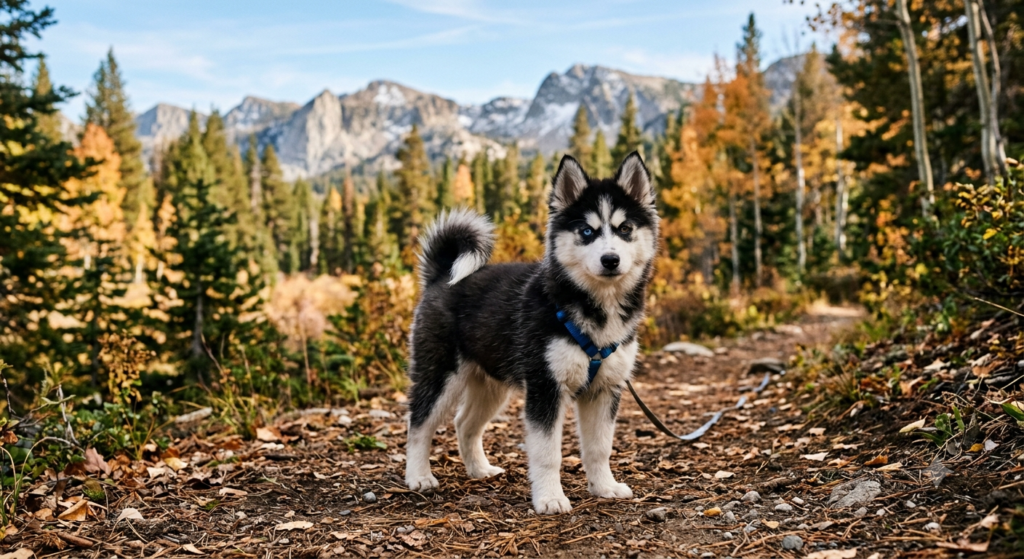
Table of Contents
- Origin: Where Do Miniature Siberian Huskies Come From?
- Appearance, Size, and Physical Characteristics
- Miniature Siberian Husky vs. Alaskan Klee Kai vs. Pomsky
- Temperament and Behavioral Traits
- Grooming, Maintenance, and the Dreaded Shedding
- Exercise and Training Requirements
- Health Profiles and Dietary Needs
- Cost: How Much Does a Miniature Siberian Husky Cost?
- Frequently Asked Questions (FAQs)
- The Verdict
Origin: Where Do Miniature Siberian Huskies Come From?
Unlike many modern “designer dogs” that are crossbred with smaller breeds, the true Miniature Siberian Husky is a purebred Siberian Husky that has been selectively bred down in size over generations.
The Vision of Bree Normandin
The history of this smaller variant begins in the 1990s with a dedicated standard Siberian Husky breeder named Bree Normandin. She noticed a growing demand for the loyal, striking qualities of the Siberian Husky among individuals who lived in urban environments. Instead of crossing the Husky with smaller breeds, she focused on selective breeding within the purebred Siberian Husky gene pool.
The Controversy of Breeding “Runts”
To achieve a smaller size naturally, early breeders selected the smallest puppies from standard Husky litters—often referred to as “runts”—and bred them together. While critics argued this could propagate genetic defects, ethical breeding practices and strict health screenings have heavily mitigated these risks. Today’s ethically bred Miniature Huskies are remarkably robust and athletic.
Appearance, Size, and Physical Characteristics
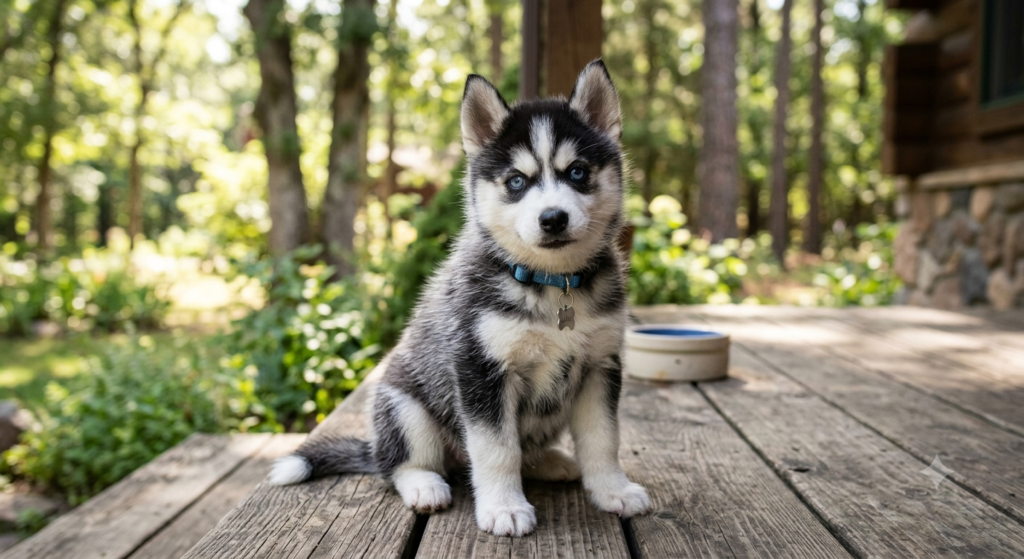
A true Miniature Siberian Husky looks identical to a standard Siberian Husky in every way except scale. They are compact, muscular, and exceptionally agile.
Iconic Wolf-Like Features
- Erect, Triangular Ears: Sitting high on the head, lined with thick fur.
- Almond-Shaped Eyes: Famous for their intense gaze. They can be icy blue, deep brown, amber, or green.
- Heterochromia (Bi-Eyes): It is incredibly common for this breed to have two different colored eyes or a parti-eye.
- Sickle Tail: A plush, heavily furred tail carried over the back.
Exact Size and Weight Breakdown
While standard Huskies can weigh up to 60 pounds or more, the miniature version stays highly compact:
| Gender | Height (At the Shoulder) | Weight Range |
| Male | 14 to 17 inches | 25 to 35 lbs (11 to 16 kg) |
| Female | 13 to 16 inches | 20 to 30 lbs (9 to 13 kg) |
Miniature Siberian Husky vs. Alaskan Klee Kai vs. Pomsky
Due to the rise of small, wolf-like companion dogs, the Mini Husky is frequently confused with two other highly popular breeds.
Quick Comparison Table
| Feature | Miniature Siberian Husky | Alaskan Klee Kai | Pomsky (Husky Mix) |
| Breed Classification | Purebred Husky (Small) | Distinct Purebred | Designer Hybrid Cross |
| Average Weight | 20 – 35 lbs | 10 – 20 lbs | 15 – 30 lbs |
| Nature with Strangers | Very friendly, outgoing | Shy, aloof, alert | Outgoing, sometimes sassy |
| Best Suited For | Active families, hikers | Quiet households, singles | Apartment dwellers, families |
Temperament and Behavioral Traits: What Are They Like?
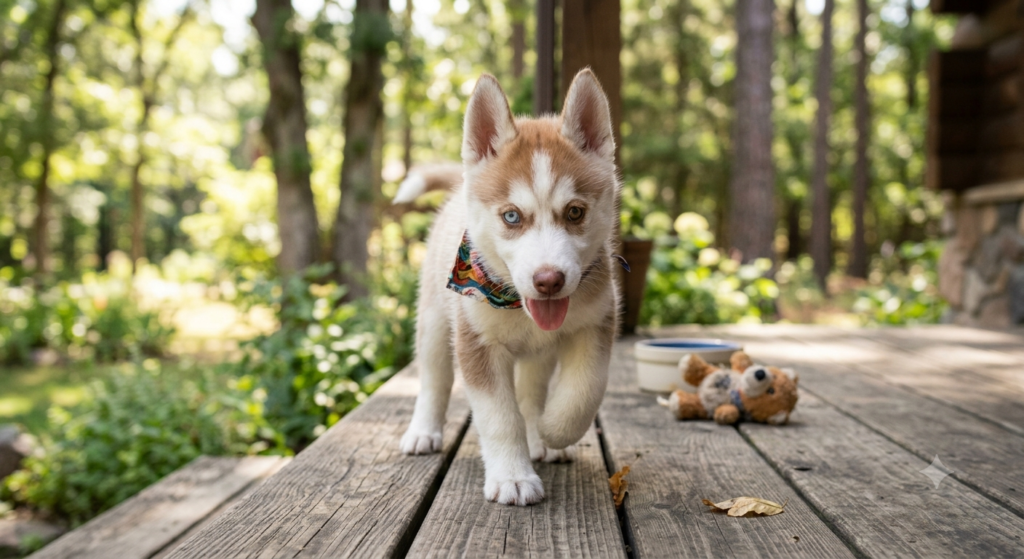
Do not let their small size fool you—the Miniature Siberian Husky temperament retains 100% of the classic Husky personality. They are intelligent, highly affectionate, fiercely independent, and incredibly mischievous.
- An Abundance of Love: They form tight bonds with their families and love being the center of attention. They are fantastic with children.
- The “Siberian Derp”: They rarely bark, but they are incredibly talkative. They will howl, whine, and “woo-woo” to express their opinions.
- The Ultimate Escape Artist: If bored, they will plan an escape. A secure yard with a deep-buried fence is highly recommended.
Grooming, Maintenance, and the Dreaded Shedding
Before bringing one into your home, you must be prepared for fur.
Surviving the Double Coat
Because they possess a thick double coat, they shed moderately year-round. Twice a year, they “blow coat,” shedding their undercoat in massive clumps. Weekly grooming with a slicker brush is necessary, bumping up to daily brushing during shedding season.
(Insert Image: A person brushing a Miniature Husky. Alt Text: “Grooming a Miniature Siberian Husky’s thick double coat.”)
The Golden Rule: Never Shave a Husky. Their double coat acts as a natural thermos, keeping them warm in winter and cool in summer. Shaving ruins its structure and exposes them to sunburn.
Exercise and Training Requirements
A common mistake is assuming a smaller dog needs less activity. They possess the exact same working-class stamina as a sled dog.
Daily Exercise Blueprint (60-90 Mins)
- Physical Exercise (45 Mins): Hiking, jogging, or high-speed fetch.
- Mental Stimulation (20 Mins): Puzzle toys, nose work, or agility training.
- Structured Training (15 Mins): Short, reward-based obedience focus.
Because of their stubborn genius and high prey drive, leash training is mandatory. They should never be walked off-leash in unsecured areas.
Health Profiles and Dietary Needs
The average Mini Husky lifespan is an impressive 12 to 15 years. However, they are genetically predisposed to a few health conditions:
- Ocular Diseases: Juvenile cataracts and progressive retinal atrophy (PRA).
- Follicular Dysplasia: A genetic skin condition causing abnormal hair growth.
- Hypothyroidism: Can lead to lethargy and unexplained weight gain.
Nutritional Guidelines
Fuel their high-energy lifestyle with a nutrient-dense diet rich in quality animal proteins (chicken, salmon, beef) and Omega-3/Omega-6 fatty acids to keep their double coat healthy. Maintain strict portion control to avoid obesity.
Cost: How Much Does a Miniature Siberian Husky Cost?
Because they are highly sought after, finding ethically bred Miniature Husky puppies requires an investment.
- Average Puppy Price: A puppy from a reputable, health-testing breeder typically costs between $1,500 and $3,000.
- Spotting an Ethical Breeder: Ensure they provide official health clearances (OFA/CERF) for both parents, raise puppies indoors for socialization, and avoid gimmicky terms like “Teacup.”
Frequently Asked Questions (FAQs)
Q1. Are “Teacup Huskies” a real breed?
No. Any breeder advertising a “Teacup Husky” is likely using unethical breeding practices, utilizing unhealthy runts, or crossing breeds unsafely.
Q2. Are Miniature Huskies hypoallergenic?
No, they are not hypoallergenic. They have a thick double coat and shed heavily, spreading dander that can trigger allergies.
Q3. Do Miniature Siberian Huskies bark a lot?
They are not typical barkers (making them poor watchdogs), but they are highly vocal. They love to communicate through howling and whining.
Q4. Can they live peacefully with cats?
It is challenging due to their high prey drive. They can co-exist if raised together from puppyhood, but supervision is always required.
Q5. Are they suitable for apartment living?
Yes, but only if you commit to multiple long walks, runs, or park visits daily to keep them mentally and physically stimulated.
The Verdict: Is the Miniature Siberian Husky Right for You?
The Miniature Siberian Husky is a magnificent, loyal, and incredibly striking companion, packing the spirited qualities of the Arctic working dog into a small frame.
However, they are not low-maintenance pets. They require dedicated grooming, consistent positive training, secure environments, and a significant amount of daily exercise. If you have an active lifestyle and the time to dedicate to their care, this mini wolf-dog will reward you this mini wolf-dog will reward you with a lifetime of love and loyalty